Subscribe to our newsletter
Stay updated with all our activities and never miss an opportunity to get involved. We promise we won’t spam you.
European Alternatives works to promote democracy, equality and culture beyond the nation-state and imagine, demand and enact alternatives for a viable future.
Project
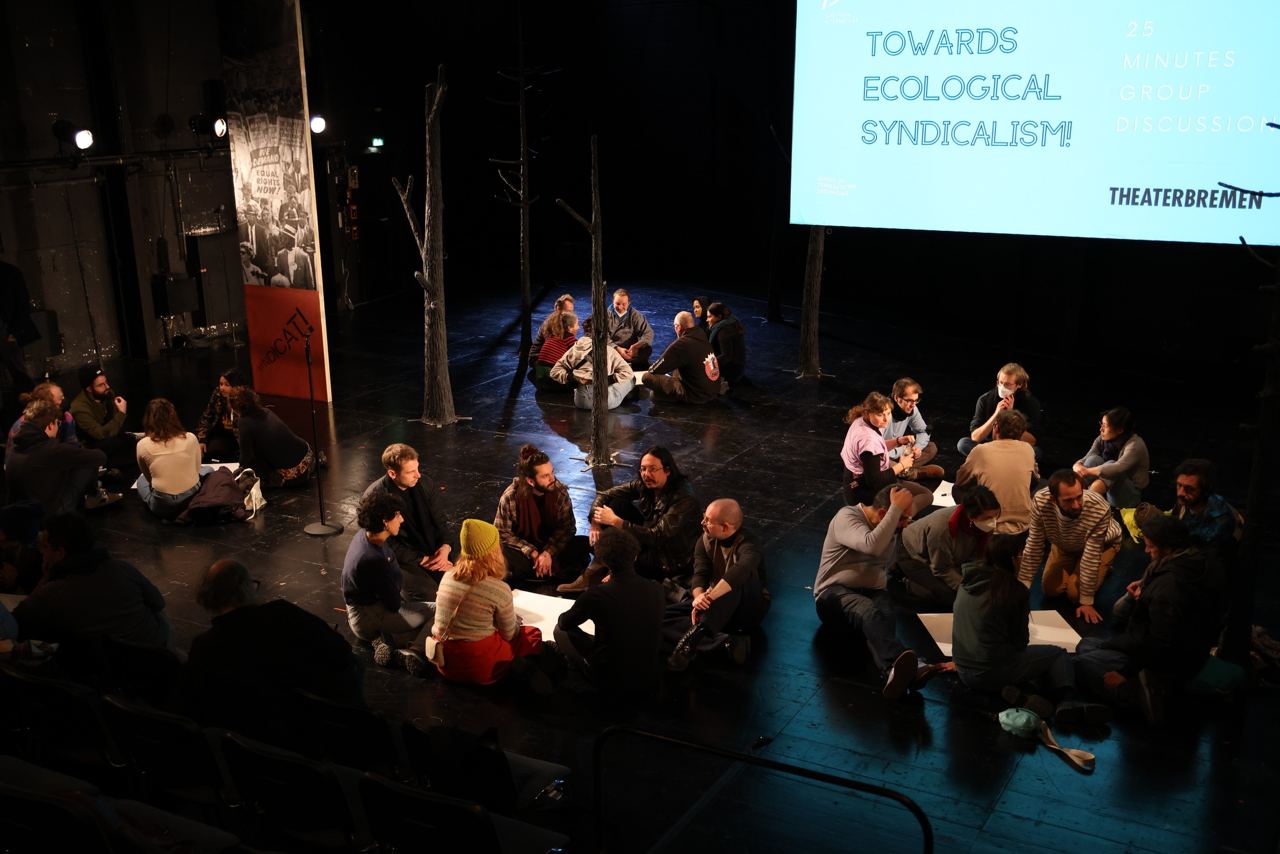
A series of citizens assemblies taking place across the continent, TransEuropa Assemblies is engaging citizens and residents of the EU in a deliberation of their priorities for the 2024 European elections, with the aim of influencing party political programmes ahead…
Project
Critical ChangeLab (Democracy Meets Arts: Critical Change Labs for Building Democratic Cultures through Creative and Narrative Practices) is a Horizon Europe research and innovation project addressing democratic erosion trends by strengthening youth participation in society. The project is carried out…

Event
In the summer of 2023, we joined Faïza Guène, Fatima Ouassak, Rachid Santaki, Geovani Martins, Insa Sané and others for a weekend of literary exploration and summer sun in multiple cultural spaces in Saint-Denis. The Littératures en marges festival program…
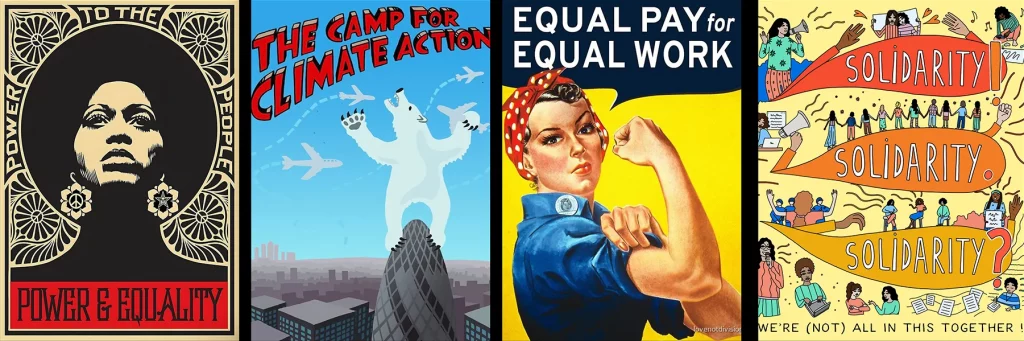
The EU elections are coming up this June and it’s time to get creative! Do you want to use your budding art and design skills to promote basic rights and social transformation? We have an exciting opportunity open to anyone…

Project
A decentralised, collaborative and transparent exercise of crowdsourcing and co-creation which seeks to institutionalise a permanent peoples’ assembly and participatory ecosystem in Europe

Event
The Decolonial Europe Day is an initiative that uses the occasion of Europe Day (9 May every year) to bring together existing decolonising initiatives, civil society organisations and other actors around the common project of decolonising Europe, understood as an ongoing…
Issue 5 of the EA Journal is out now. Click here to read it. Spring is a time for new beginnings. In the EU, reproductive rights are high on the agenda as France inscribes the right to abortion into its…
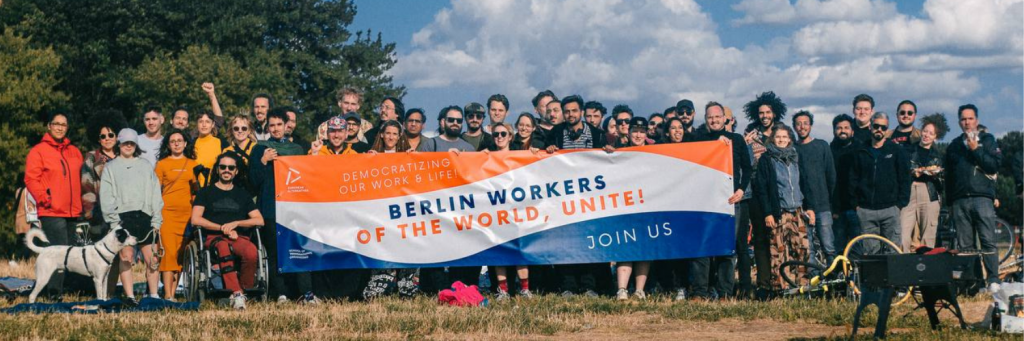
We’re Hiring a Fundraising Manager in Berlin! European Alternatives is searching for an experienced Fundraising Manager for a part-time position (30 hours/week) to work in our Berlin Hub. The monthly salary will be € 3.000 gross. The position starts in…

Project
Organizmo Bloom focuses on non western epistemologies and on community sustainable building.

Who we are Avocats sans Frontières, European Alternatives and a consortium of civil society and university partners are coming together to promote equality and to fight discrimination affecting specifically migrant communities in Europe. We will work together over this crucial…